
Mastering the Art of Bending Plastic Pipes: Techniques and Best Practices
Understanding the importance of proper pipe bending in electrical installations
In the world of electrical installations, the ability to bend plastic pipes efficiently is an essential skill that ensures not only the safety and longevity of the installation but also the overall aesthetic of the project. Plastic pipes, such as PVC, are commonly used due to their versatility and durability. However, improper bending techniques can lead to issues such as kinking, cracking, and inefficient routing of cables. In this article, we will explore the techniques and best practices for bending plastic pipes, ensuring that your electrical installations meet the highest standards of quality and safety.
Different types of plastic pipes have unique properties that affect how they should be bent. For instance:
- PVC: Common in electrical installations, known for its durability and ease of bending.
- CPVC: Offers higher temperature resistance, making it suitable for more demanding environments.
- HDPE: Flexible and resilient, ideal for tight spaces and heavy loads.
Tools of the Trade
To bend plastic pipes effectively, having the right tools and equipment is crucial. Here’s what you’ll need:
Pipe Bender: A specialized tool designed to bend pipes without causing damage or deforming them. For plastic pipes, a manual or hydraulic bender can be used.
Heat Gun: Plastic pipes need to be heated to a specific temperature before bending. A heat gun allows for precise control of the temperature.
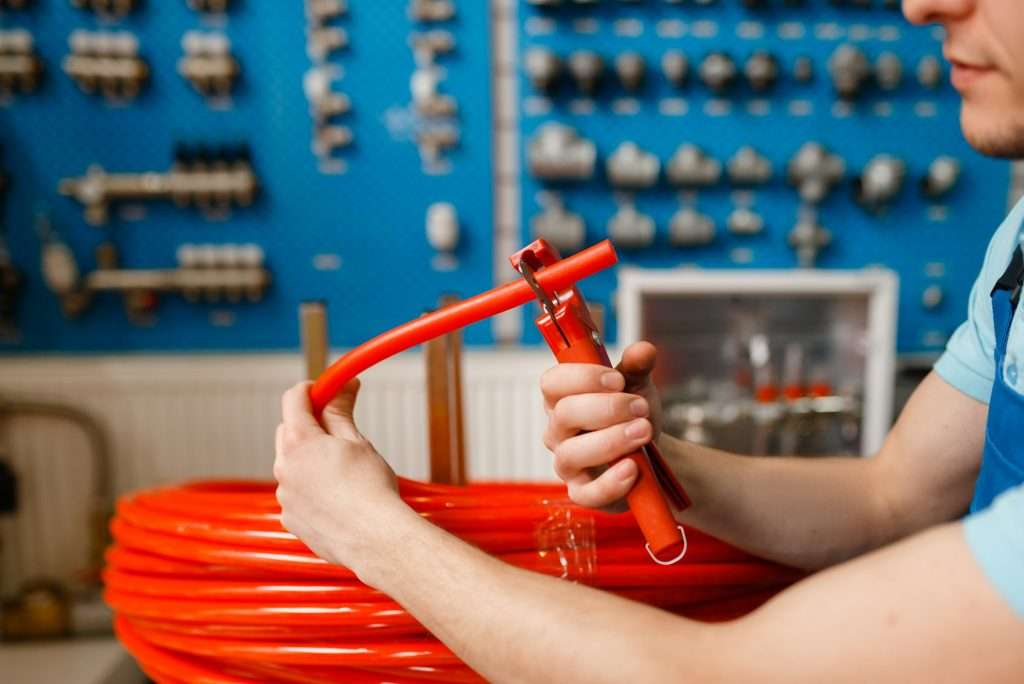
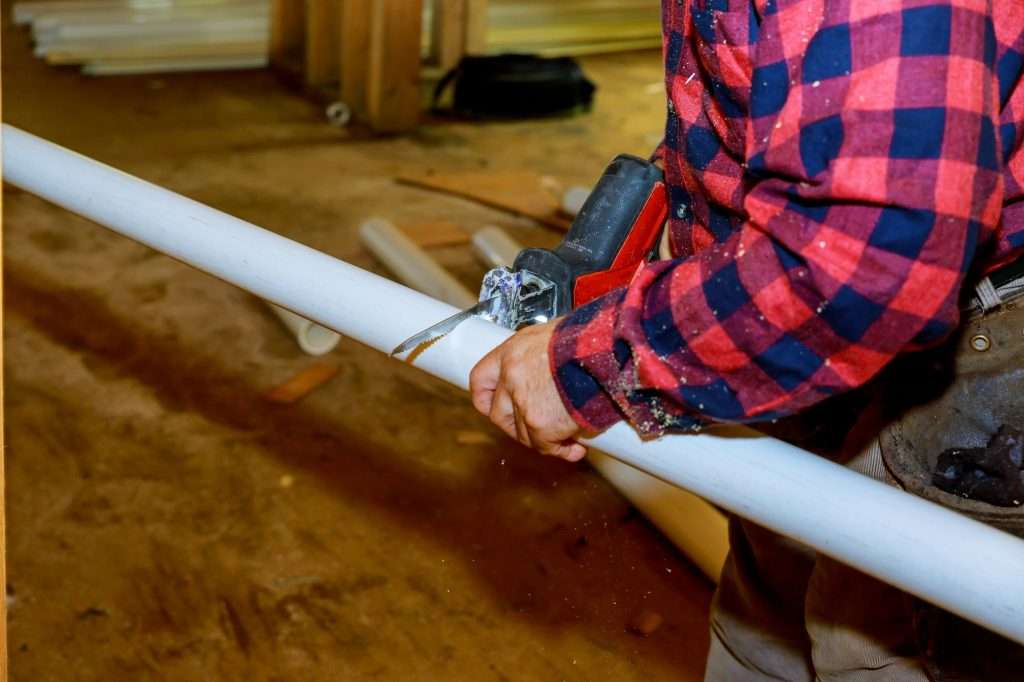
Pipe Cutters: Before bending, you may need to cut the pipe to the desired length. A sharp pipe cutter ensures a clean cut.
Measuring Tape and Angle Finder: Accurate measurements and angles are critical in ensuring that the bends are precise and fit the installation’s requirements.
Safety Gear: Always wear gloves and safety goggles to protect yourself from heat and sharp edges.
Step-by-Step Guide to Bending Plastic Pipes
Step 1: Measure and Mark
Before bending, measure the length of the pipe and mark the point where the bend will start. This ensures accuracy and helps in achieving the desired angle.
Step 2: Heat the Pipe
Using a heat gun, gently heat the section of the pipe that needs to be bent. Keep the heat gun moving to ensure even heating and avoid overheating, which can cause the pipe to weaken or crack.
Step 3: Bend the Pipe
Once the pipe is heated, slowly bend it to the desired angle. Use a pipe bender or, if doing it manually, ensure that the bend is even and smooth. Avoid bending too quickly, as this can lead to kinks.
Step 4: Cool the Pipe
After achieving the desired bend, allow the pipe to cool naturally. Do not force-cool the pipe with water, as this can cause the plastic to become brittle.
Step 5: Inspect the Bend
Once the pipe has cooled, inspect the bend for any signs of cracking or kinking. If the bend is not smooth, you may need to reheat and adjust it.
Common Challenges and How to Overcome Them
Kinking: One of the most common issues when bending plastic pipes is kinking. This occurs when the pipe is bent too sharply or too quickly. To avoid this, ensure the pipe is evenly heated and bend it slowly.
Cracking: Cracking can occur if the pipe is overheated or if it is bent in cold weather. Always heat the pipe to the recommended temperature and avoid bending in extremely cold conditions.
Improper Angles: Achieving the correct angle can be challenging, especially for complex installations. Use an angle finder and measure carefully before bending to ensure accuracy.
Application in Real-World Electrical Installations
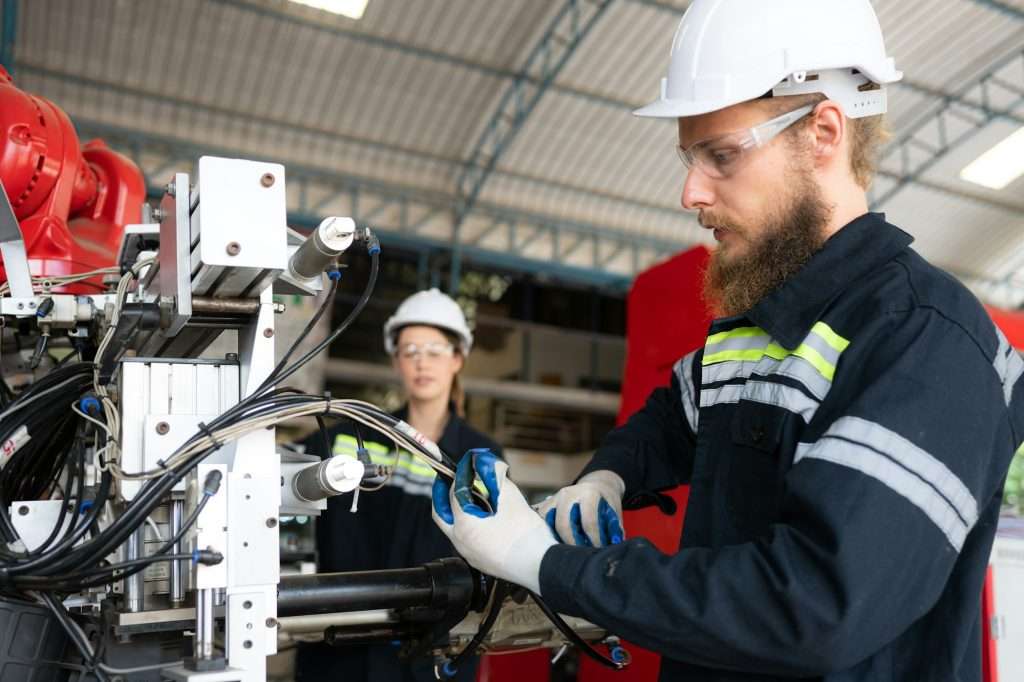
In large-scale electrical installations, such as those found in commercial buildings, amusement parks, or industrial facilities, properly bent plastic pipes play a crucial role. They not only ensure the smooth routing of electrical cables but also contribute to the overall safety and efficiency of the installation. For instance, in an amusement park, where electrical systems are complex and require precise routing, the ability to bend plastic pipes correctly can make a significant difference in the system’s performance and reliability.
The Role of Prasco EC in Professional Plastic Pipe Bending
At Prasco EC, we understand the importance of precision in every aspect of electrical installations. Our team of experts is equipped with the knowledge and tools to assist in bending plastic pipes for any scale of project. Whether you need training for your staff or require skilled personnel to handle complex installations, Prasco EC is your trusted partner in ensuring that your projects meet the highest standards of quality and safety.